
Holi vs. Grahan: Vedic Guidelines & Astrological Impact on Your Festival of Colors
- cosmicauracrystal
- 2 days ago
- 3 min read

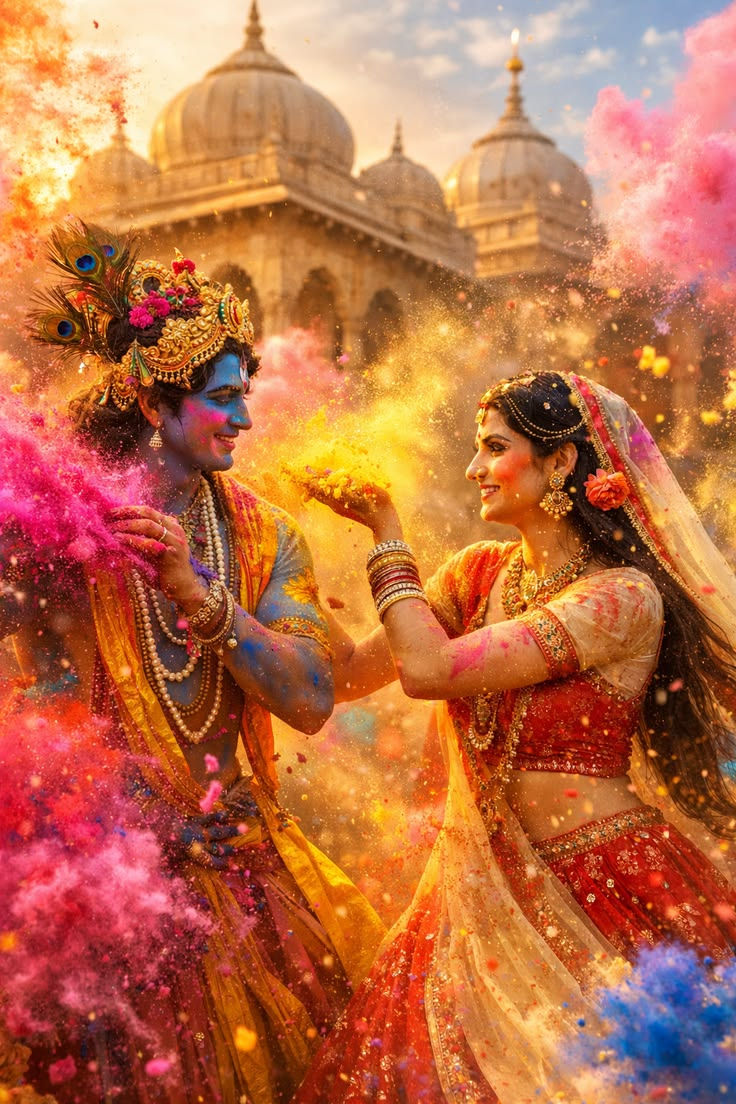
Holi, the vibrant festival of colors, is a time of unbridled joy, signifying the victory of good over evil and the arrival of spring. However, when this auspicious day coincides with a celestial event like a Grahan (Eclipse), it leaves many devotees in a state of confusion. The question arises: Can we play Holi during a Grahan, or should we reschedule our celebrations?
To answer this, we must delve into the wisdom of the Vedas and the intricate principles of Jyotish Shastra (Vedic Astrology).
Understanding Grahan through the Vedic Lens
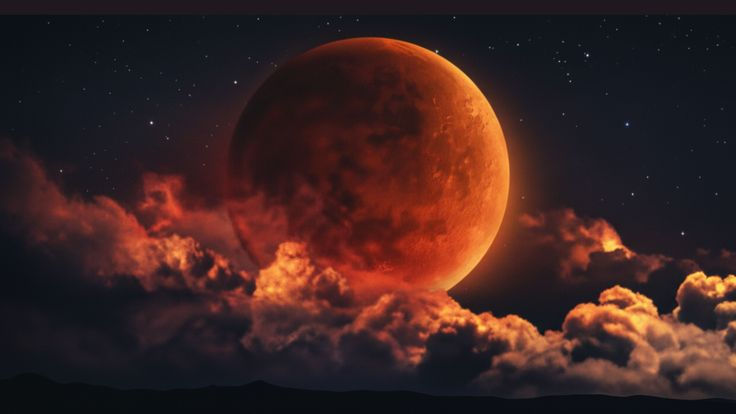
In the Vedic tradition, a Grahan—whether solar (Surya Grahan) or lunar (Chandra Grahan)—is not merely an astronomical phenomenon. It is a time of profound cosmic significance, characterized by a shift in planetary energies that can affect the mind, body, and spirit.
While modern science views an eclipse as a magnificent spectacle, the Vedas and subsequent Dharmashastras treat it as a period of temporary impurity (Asoucham or Sutak). The underlying philosophy is that during an eclipse, the natural light sources (Sun or Moon) are temporarily obscured by Rahu or Ketu, leading to a temporary weakening of their beneficial vibrations and an upsurge in negative, chaotic energies.
Can We Play Holi During a Grahan? The Definitive Verdict
According to Vedic astrology and traditional guidelines, it is strongly advised to avoid playing with colors, indulging in loud celebrations, or performing any sacred rituals during the actual period of the Grahan. Here are the specific facts supporting this guideline:
1. Sutak Kaal and Impurity
A Grahan is preceded by Sutak, a period of pre-eclipse impurity. For a solar eclipse, Sutak begins 12 hours before, and for a lunar eclipse, it starts 9 hours before the eclipse onset. During Sutak and the eclipse itself, it is recommended to halt all dynamic and celebratory activities.
2. Heightened Negative Energies
Astrologically, a Grahan is seen as a time when negative cosmic radiation is at its peak. Joyful, boisterous activities like playing Holi are believed to attract these negative vibrations more easily. Celebrations are expansive, while Grahan requires introspective, contractive energy for protection.
3. Impact on the Mind and Emotions
Holi is a festival that celebrates positive emotions. However, a Lunar Eclipse, in particular, directly impacts the Moon (Chandra), which rules the mind (Mana). This can lead to emotional instability, anxiety, or impulsiveness. Engaging in high-energy festivities during this time might exacerbate these mental states, leading to conflicts or accidents instead of joy.
4. Vedic Priority: Spiritual Practice over Material Joy
The Vedas prioritize Adhyatmika (spiritual) wellbeing over Adhibhautika (material) pleasure. A Grahan is considered a "Power Window" for spiritual growth. The Dharma Shastras state that any Mantra Japa (chanting) performed during an eclipse is magnified 100,000 times in potency. Therefore, the Vedic prescription is to spend this time in meditation, prayer, or chanting rather than sensory amusement.
How to Celebrate When Holi and Grahan Coincide
If Holi falls on the same date as a Grahan, you do not have to cancel the festival entirely. Instead, you must adapt your celebration timeline to stay aligned with cosmic principles.
Guidelines for a Grahan-Affected Holi:
Wait for Eclipse Conclusion: Wait until the exact moment the eclipse ends. This is the moment the restrictive Sutak period is lifted.
Perform Purification Rituals: Immediately after the eclipse ends, Vedic tradition prescribes taking a full head bath (Snana) to cleanse the body of the Asoucham. Cleaning the home or the Puja room is also recommended.
Resume Celebrations with New Food: Once purified, you can resume the festival. It is vital to note that traditionally, food cooked before or during the Grahan is considered unusable (unless protected by Tulsi leaves or Kusha grass). Fresh food should be prepared to continue the festivities.
Must we play Holi on 4th March (or the following day)?
If the Grahan duration occupies the prime daytime hours usually dedicated to playing Holi, rescheduling the festival of colors to the following day is the most astronomically sound and astrologically beneficial choice. This ensures you celebrate in a pure (Shubh) environment, free from the shadow of Rahu or Ketu.
Conclusion: Balancing Faith and Festivity
Vedic wisdom encourages us to live in harmony with the cosmos. A Grahan during Holi is a rare occurrence that urges us to balance our outer joy with inner awareness. By respecting the temporary pause demanded by the eclipse, purifying ourselves, and then resuming celebrations, we honor both the spiritual sanctity of the Grahan and the joyful spirit of Holi. The key is not to celebrate less, but to celebrate wisely, in alignment with the cosmic rhythm.


Comments